Planning To Build Your Dream Luxury Home?
Contact UsPlanning To Build Your Dream Luxury Home?
Contact Us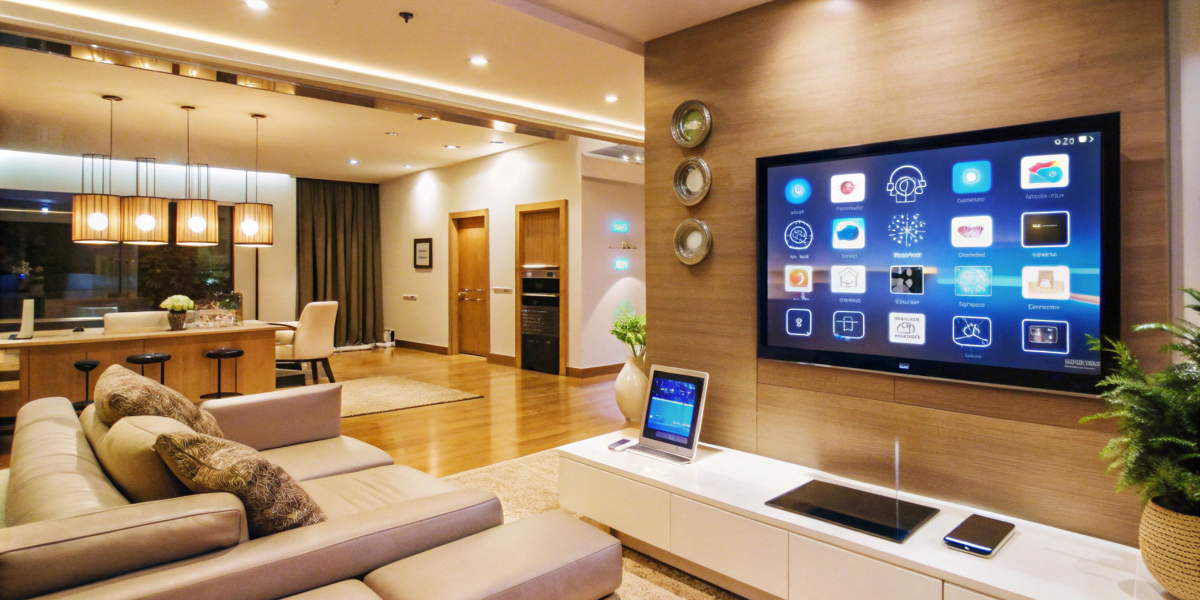
Smart home systems are becoming a standard consideration in modern residential construction, especially in high-end properties where comfort, efficiency, and security matter just as much as architectural design. New construction projects offer the advantage of integrating technology during the planning stage, which leads to cleaner installation, better performance, and fewer retrofits later.
However, not every smart feature delivers equal value. Some systems provide meaningful daily benefits, while others add cost without long-term usefulness. Understanding what actually works in real living conditions helps homeowners make informed decisions during the design phase.
The goal of this guide is to break down practical and realistic smart home options, especially for buyers planning a long-term home technology investment in a custom build.
Modern homes are no longer just physical structures. They function as connected environments where lighting, security, temperature, and appliances can all interact. Planning these systems early is essential because retrofitting smart technology later often costs more and results in less seamless performance.
This is where smart home technology in new construction projects becomes important. Early integration allows wiring, hubs, and devices to be installed during framing and electrical phases. Builders and designers now coordinate with technology consultants to ensure systems align with architectural layouts and energy goals.
Not every smart feature adds practical benefit. Some systems stand out because they improve safety, comfort, or efficiency in meaningful ways. This helps clarify whether home automation is worth the investment for long-term comfort, energy efficiency, and security improvements.
Smart thermostats are one of the most practical upgrades in any new build. They learn household routines, adjust temperatures automatically, and help reduce energy usage. They also allow remote temperature control through mobile apps, which makes it easier to manage comfort levels even when away from home.
Energy tracking features help monitor consumption patterns and identify ways to reduce utility costs. Integration with HVAC systems ensures smooth operation without constant manual adjustments, which is why this category is often considered one of the best smart home features for long-term living.
Smart lighting systems offer both convenience and efficiency by adjusting brightness and timing based on daily routines, occupancy, and natural light levels. They allow lighting scenes to be scheduled for different parts of the day, which improves comfort and usability throughout the home. Motion-based activation adds another layer of efficiency by turning lights on only when needed, while voice and app control provide simple access to lighting adjustments.
These systems also contribute to security by simulating occupancy when the home is empty, making them a practical addition in modern residential design.
Security and surveillance systems remain one of the most important components of home automation. Modern setups combine cameras, motion detectors, and smart locks into a unified system that can be controlled from mobile devices. Remote video monitoring allows real-time visibility of the property, while smart door locks provide controlled access using codes or digital keys.
Real-time alerts help homeowners respond quickly to unusual activity. These systems are especially useful in custom homes where larger layouts and multiple entry points require broader monitoring coverage for consistent protection.
Continue reading to explore essential smart features shaping modern homes, improving convenience, efficiency, and connected living experiences today.
Kitchen technology has advanced significantly, making everyday tasks more efficient and manageable. Smart appliances such as refrigerators, ovens, and dishwashers now include connectivity features that support daily routines and improve convenience. These systems allow homeowners to monitor usage, automate functions, and receive alerts directly through connected devices.
Common features include inventory tracking in refrigerators, remote oven preheating, energy-efficient washing cycles, and maintenance notifications. While these innovations offer clear benefits, it is important to select features based on actual needs rather than novelty. A practical approach ensures that technology enhances functionality without adding unnecessary complexity to everyday kitchen use.
Home entertainment has evolved into a fully integrated experience, combining multiple devices into a single connected system. Smart TVs, surround sound systems, and centralized control platforms allow users to manage entertainment seamlessly across different areas of the home.
Features such as multi-room audio, voice-controlled playback, streaming integration, and centralized apps create a more convenient and immersive environment. Instead of managing separate devices individually, homeowners can control everything through one interface, improving both usability and overall experience.
Smart entertainment systems bring all media control into one connected setup, allowing televisions, speakers, and streaming platforms to work together efficiently. Whole-home audio systems enable sound to move seamlessly from room to room, creating a consistent listening experience throughout the home.
Centralized control through mobile apps or voice assistants simplifies operation and eliminates the need for multiple remotes. These systems also help maintain a cleaner and more organized setup by reducing device clutter. In modern construction, they are often integrated during the building phase to ensure proper wiring, better performance, and long-term reliability.
Smart home hubs serve as the central control point for all connected systems, including lighting, security, climate, and entertainment. Instead of managing each device separately, homeowners can access and control everything from a single interface, such as a smartphone, tablet, or wall-mounted panel.
These hubs improve communication between devices, allowing them to work together in coordinated ways. For example, lighting can adjust automatically when security systems are activated or when the home switches to away mode. A well-designed centralized system enhances reliability, simplifies daily use, and keeps the entire smart home setup organized and efficient over time.
Transform your vision into reality with expert home design from us, where every detail is tailored to your lifestyle, comfort, and long-term value.
Energy management is one of the strongest arguments for smart home adoption. Systems that monitor electricity, water, and HVAC usage help homeowners reduce waste. A smart home technology investment can enhance daily comfort while improving long-term property value through efficient, connected living solutions.
| Feature Category | Practical Value | Notes |
| Smart thermostats | High | Energy savings and comfort |
| Security systems | High | Strong protection and monitoring |
| Smart lighting | High | Efficiency and convenience |
| Smart appliances | Medium | Depends on lifestyle |
| Voice assistants | Medium | Useful but not essential |
| Automated furniture | Low | Limited long-term value |
Modern construction teams increasingly treat smart systems as part of the core build rather than optional add-ons. Electrical planning, data infrastructure, and device placement are coordinated alongside structural design to ensure seamless integration. This includes pre-wiring for security systems, smart lighting, climate control, and whole-home connectivity.
Energy efficiency is also a growing priority. Smart thermostats, automated lighting schedules, and energy monitoring systems are often integrated into the design to help homeowners reduce utility costs while maintaining comfort. Builders aim to balance innovation with practicality, ensuring that smart features genuinely enhance daily living rather than complicate it.
This integrated approach improves reliability, simplifies installation, and ensures systems function smoothly from the moment homeowners move in.
Smart home integration in custom-built projects allows homeowners to plan technology from the ground up, ensuring seamless functionality across all systems. Before selecting features, it is important to evaluate long-term usability. Smart home systems should align with daily routines and lifestyle needs rather than introducing unnecessary complexity. A well-designed system should feel intuitive, requiring minimal effort to operate.
Homeowners should also consider maintenance and updates. Smart systems require occasional software updates, troubleshooting, and potential device replacements over time. Selecting reputable brands with ongoing support can reduce long-term issues.
Privacy and security are equally important. Smart devices collect and transmit data, so using strong passwords, secure networks, and trusted platforms helps protect personal information and prevent unauthorized access.
Budget planning should go beyond initial installation costs. Ongoing expenses such as subscriptions, upgrades, and repairs should be factored into the decision-making process.
Ultimately, the best smart homes focus on simplicity, reliability, and meaningful automation. Thoughtful planning ensures technology enhances comfort, convenience, and efficiency without overwhelming the homeowner or increasing long-term maintenance demands.
Core features include smart thermostats, lighting systems, security systems, and structured wiring for reliable integration.
Maintenance costs vary, but well-planned systems with scalable design usually require minimal upkeep.
Yes, many modern systems support upgrades, especially when built with modular or wireless components.
Yes, homes with well-integrated automation systems often attract higher buyer interest and improved resale value.
Smart thermostats and security systems are widely considered the most practical due to energy savings and safety benefits.
Smart home technology offers real value when selected carefully and integrated properly during construction. The most effective systems improve comfort, efficiency, and security without adding unnecessary complexity. A thoughtful approach ensures long-term usability and avoids unnecessary expense.
Connect with us to experience luxury home building designed around intelligent systems, thoughtful craftsmanship, and modern living spaces built for long-term comfort, functionality, and performance.