Planning To Build Your Dream Luxury Home?
Contact UsPlanning To Build Your Dream Luxury Home?
Contact Us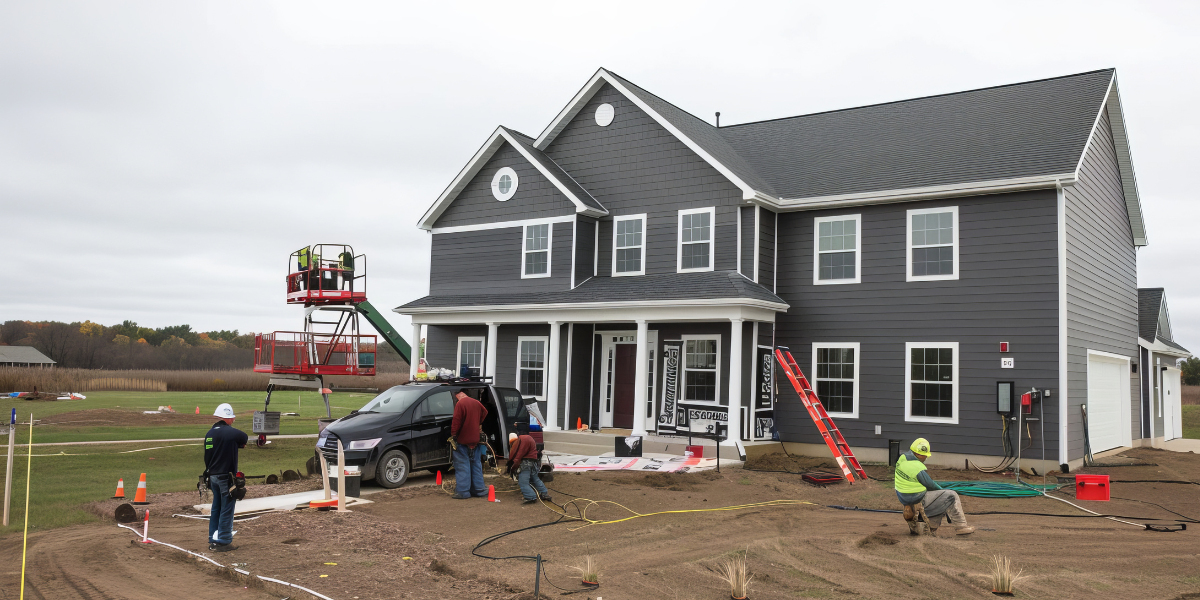
Building a custom home is an exciting process, but it also requires patience and careful planning. One of the first questions homeowners ask is how much time the entire project will take from the initial design meeting to move-in day, often referred to as the new home build timeline. The answer depends on several factors, including the size of the home, complexity of the design, permitting requirements, material availability, weather conditions, and construction schedules.
Texas continues to be one of the fastest-growing states in the country, and demand for custom homes remains strong. While every project is unique, understanding the typical building process helps homeowners set realistic expectations and avoid unnecessary surprises.
For anyone wondering how long it takes to build a custom home, the timeline often ranges from 9 to 18 months from planning through completion, depending on the scope of the project.
Building a custom home involves far more than construction alone. Before the foundation is poured, months may be spent designing the home, selecting materials, obtaining permits, and preparing the property.
The timeline can generally be divided into three major phases:
| Phase | Typical Duration |
| Planning and Design | 1 to 3 months |
| Permitting and Site Preparation | 1 to 2 months |
| Construction and Final Inspections | 7 to 13 months |
| Total Estimated Timeline | 9 to 18 months |
The overall schedule depends on factors such as the home’s size, design complexity, permitting requirements, site conditions, material availability, and weather. While some projects move faster, luxury custom homes with extensive personalization may take longer to complete.
Every successful custom home begins with detailed conversations about lifestyle needs, budget, architectural preferences, and future goals. During this stage, homeowners discuss room layouts, square footage, special features, and overall project expectations. This phase may take several weeks as ideas are refined and priorities are established.
After the initial planning stage, architects and designers begin developing detailed plans. Custom homes require careful coordination between design professionals, engineers, and builders.
The design process may include:
Simple homes may complete this phase within a few months, while highly customized luxury residences often require additional time.
Before construction begins, final plans must align with the construction budget. Builders provide detailed estimates that include labor, materials, permits, and site preparation costs.
Adjustments are commonly made at this stage to ensure the project remains financially practical without compromising quality.
Every Texas municipality has its own permitting process. Approval timelines can vary depending on project complexity and local government workloads.
Required approvals may include:
Some permits are issued within weeks, while others may take several months.
Once approvals are secured, construction crews prepare the building site. Activities often include:
Site conditions can greatly influence this phase.
The actual construction phase represents the largest portion of the overall home-building timeline. Each stage must be completed in sequence before the next can begin.
The foundation creates the structural base for the home. Depending on soil conditions and engineering requirements, this process may involve slab foundations, pier systems, or other specialized solutions.
Weather can affect scheduling since concrete requires proper curing conditions before additional work proceeds.
Framing transforms architectural plans into a visible structure. Walls, roof systems, floor assemblies, and support components are installed during this phase.
Many homeowners consider framing one of the most exciting milestones because the home’s shape becomes clearly recognizable.
After framing is complete, roofing materials, windows, and exterior doors are installed. This stage protects the interior from weather exposure and allows work to continue inside the home.
Exterior siding, masonry, stucco, or other finishes may also begin during this period.
Several critical systems are installed before the walls are closed:
Each system must pass inspections before moving forward.
Following successful inspections, insulation is installed to improve energy efficiency and indoor comfort. Drywall is then hung, finished, and prepared for paint. At this stage, rooms begin to resemble their final appearance.
Interior finishing often requires substantial time because it includes many detailed tasks:
Custom selections and specialty materials can influence completion schedules.
Exterior construction continues alongside interior work. Landscaping, driveways, walkways, fencing, and outdoor living spaces are often completed during this phase. The goal is to prepare the entire property for occupancy.
Larger homes naturally require more labor, materials, and inspections. Complex architectural details, custom finishes, and specialized construction techniques can add several months to the schedule. Luxury homes often involve more intricate craftsmanship than production-built homes.
Supply chain conditions can impact project timelines. Specialty products, imported materials, and custom manufacturing schedules occasionally create delays. Early product selection helps reduce this risk.
Texas weather varies considerably across the state. Heavy rain, storms, excessive heat, and other weather events can temporarily slow construction activities. Builders typically account for some weather-related delays when developing schedules.
One of the most common causes of delays is making major design changes after construction has begun. Altering floor plans, moving walls, or changing materials can require additional approvals and labor. Early decision-making often helps keep projects on track.
Various inspections occur throughout construction. Delays in scheduling or approval can affect subsequent construction activities. Maintaining proper communication among builders, inspectors, and subcontractors helps minimize disruptions.
The following table provides a general estimate of construction durations.
| Project Type | Estimated Timeline |
| Small Custom Home | 8 to 12 months |
| Mid-Size Custom Home | 12 to 18 months |
| Large Luxury Custom Home | 18 to 24 months or longer |
| Highly Customized Estate Home | 24+ months |
Source: Fin Home Contracting
Selecting materials, fixtures, appliances, and finishes before construction begins reduces interruptions later in the process.
Regular meetings with the builder help address questions quickly and prevent misunderstandings that could affect the schedule.
Custom homes involve thousands of individual decisions and construction activities. Allowing sufficient time for quality workmanship often produces better long-term results.
Builders with extensive local experience understand permitting requirements, subcontractor coordination, and regional construction challenges.
Many homeowners seeking premium craftsmanship choose us, trusted luxury home builders in Austin, TX, for experience managing complex custom home projects while maintaining exceptional construction standards and attention to detail.
Constructing a custom home in Texas requires careful planning, collaboration, and a great deal of patience. While timelines vary based on project size and complexity, most custom homes take anywhere from 9 to 18 months from initial planning through final completion, which aligns with the typical average home construction timeline seen across custom residential projects.
The planning phase, permitting process, site preparation, and construction schedule all contribute to the overall timeline. Material availability, weather conditions, design changes, and inspections can also affect project duration.
Build a home that reflects your lifestyle with us, trusted home builders in Austin, TX, known for quality craftsmanship, clear communication, and custom designs built to last. Contact us today to start planning a home that fits your vision, budget, and long-term goals.
Most custom homes take between 9 and 24 months from planning through completion, depending on size, design complexity, permits, and construction conditions.
The construction phase typically requires the most time because it includes framing, mechanical systems, interior finishes, inspections, and final detailing.
Yes. Heavy rain, storms, and extreme temperatures can temporarily slow certain construction activities and affect project schedules.
In many cases, yes. Luxury homes often include custom architectural details, specialty materials, and advanced features that require additional time.
Making selections early, maintaining communication with the builder, and minimizing design changes during construction can help keep projects moving efficiently.